Maths
INTENT
At St Barnabas C of E Primary School, it is our intent to provide our pupils with the confidence and belief that through focus and working hard in maths they can unlock their potential to the best of their ability and have the confidence to apply maths to their everyday lives.
The national curriculum states ‘Mathematics is an interconnected subject in which pupils need to be able to move fluently between representations of mathematical ideas.’ Therefore, the intention for mathematics is to ensure that all pupils become fluent, reason mathematically and solve problems. ‘Pupils should make rich connections across mathematical ideas to develop fluency, mathematical reasoning and competence in solving increasingly sophisticated problems.’
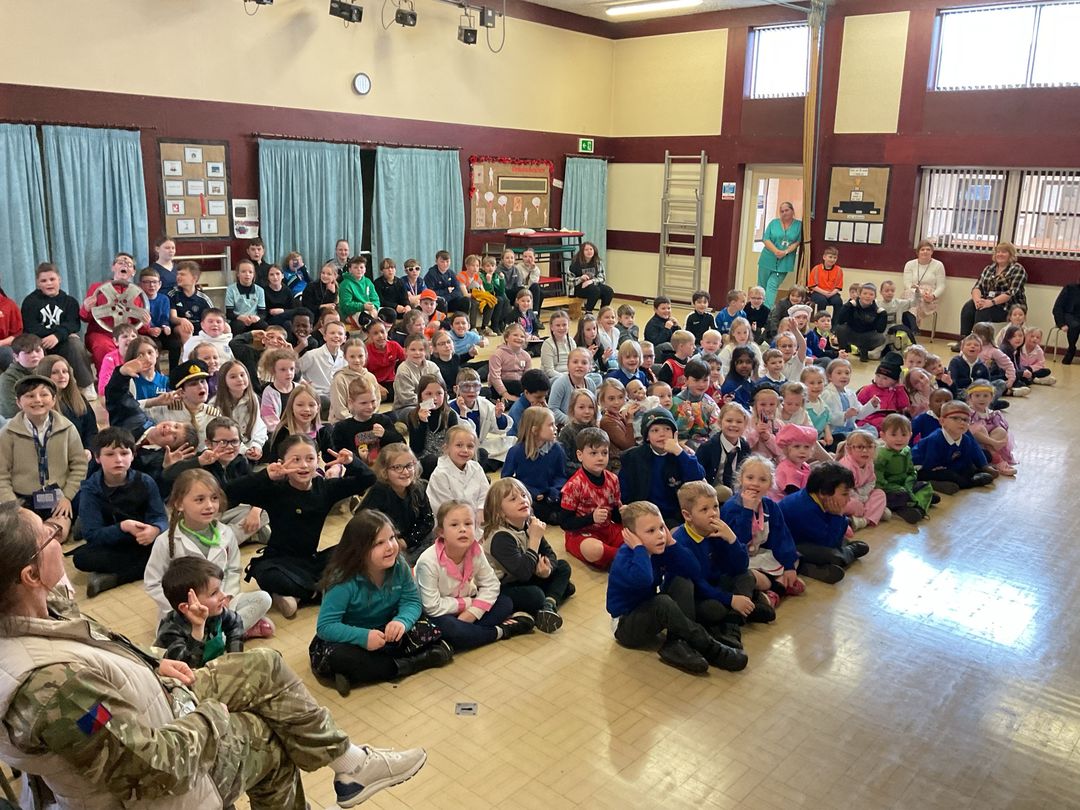
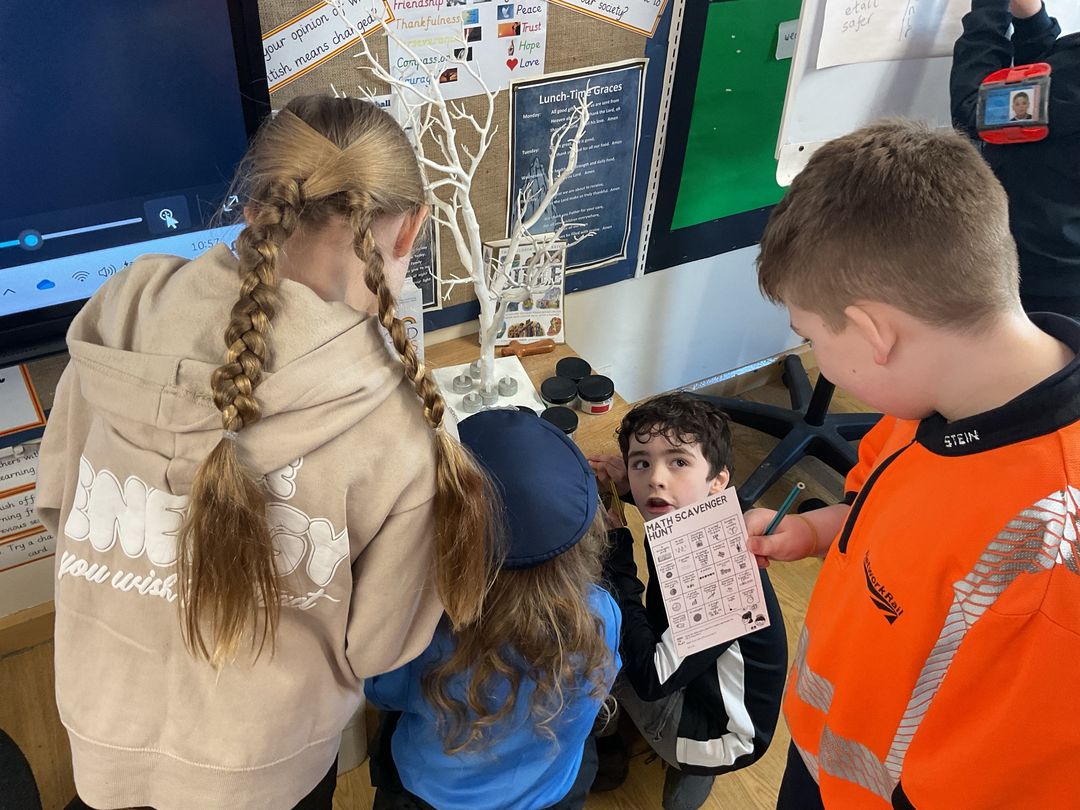
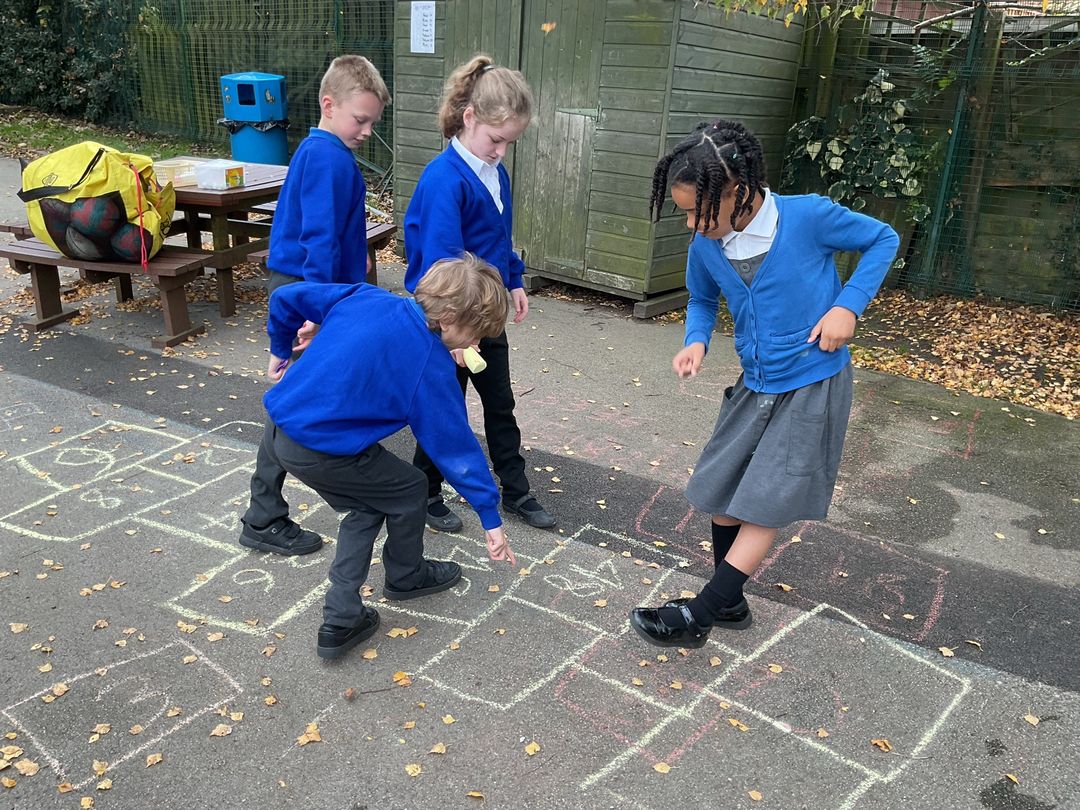
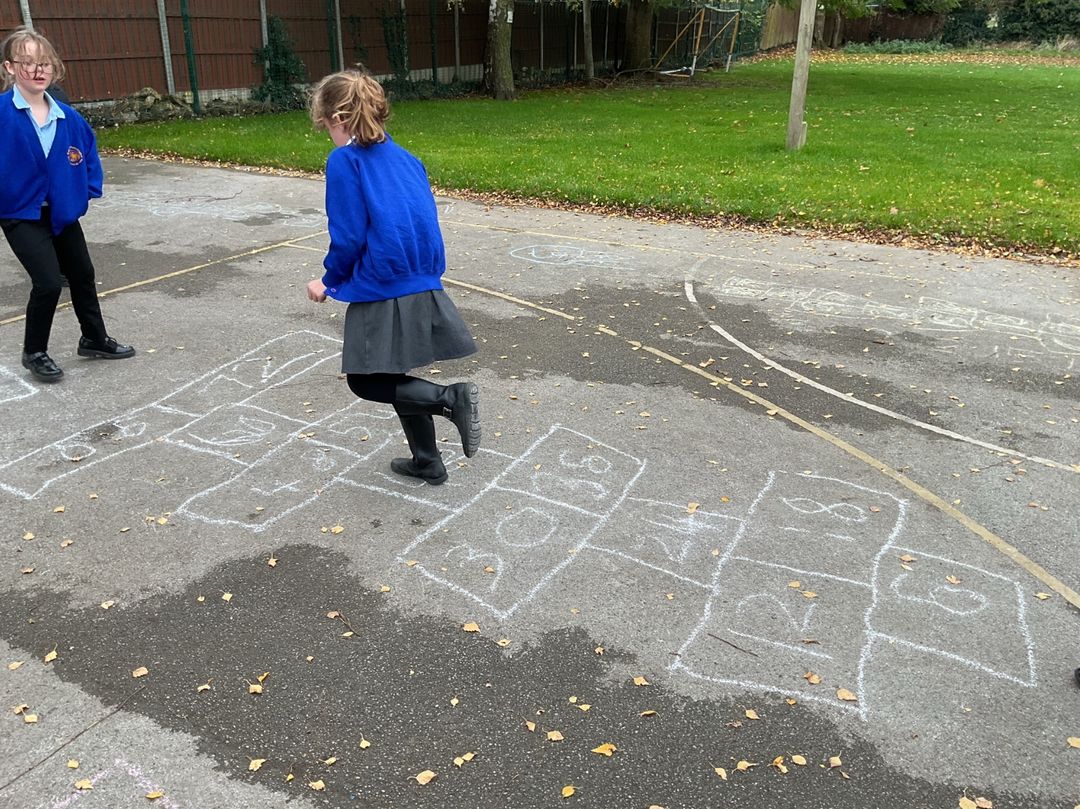
At St Barnabas by adopting a mastery approach, we teach our children how to seek positive transformation in the world by developing their ability to calculate, reason and solve problems. We want our children to recognise and understand relationships and patterns in numbers in the world around them. We expect children to make links and use their mathematical knowledge in lessons across the curriculum, this is often discrete as the children become confident mathematicians. We intend to raise the profile of maths through our weekly celebrations during family worship, through giving maths a greater profile in the school by encouraging the retrieval of key instant recall facts during transitions and encounters in the school between pupils and teachers and by giving children opportunities to see maths in the real world through carefully selected experiences.
IMPLEMENTATION
In EYFS the children have a daily maths lesson with an input from the teacher followed by a practical group or independent activity. The focus in the early years is for the children to have a deep understanding using practical hands on approach using a range of resources. The children also have access to mathematical provision during their continuous provision, enabling them to embed and deepen their learning at their own pace.
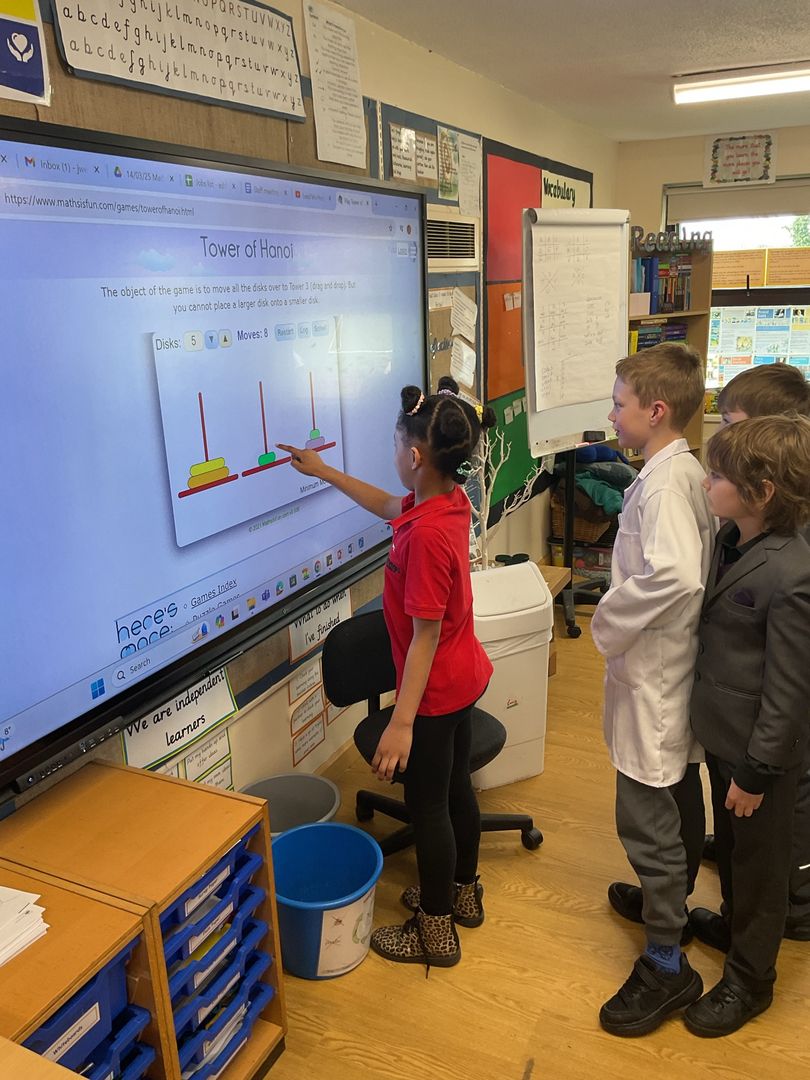
In Key Stage 1 and 2 children have a daily maths lesson with their class teacher. This will involve a daily input where the learning objective is clearly shared and steps to success accessible to all. Teachers are developing their use of a concrete, pictorial and abstract approach to ensure that children can all access and succeed using a mastery approach. Children are increasing their fluency of Key Instant Recall Facts (KIRF’s) through daily discrete teaching at various opportunities and transitions. The counting stick has been introduced to all classes and teachers are using this as a fun and imaginative resource to engage children.
In Key stage 2 children are also accessing TTRockstars as an interactive online platform, accessible in school and out of school, to practise their times tables knowledge. This is receiving a high profile in the school with weekly inter school competitions, weekly certificates in celebration worship and weekly updates on performance against schools in the local area. Key stage 2 children also benefit from a short extra maths session to address any misconceptions, close any missing steps from previous learning or practise their Key Instant Recall Facts
IMPACT
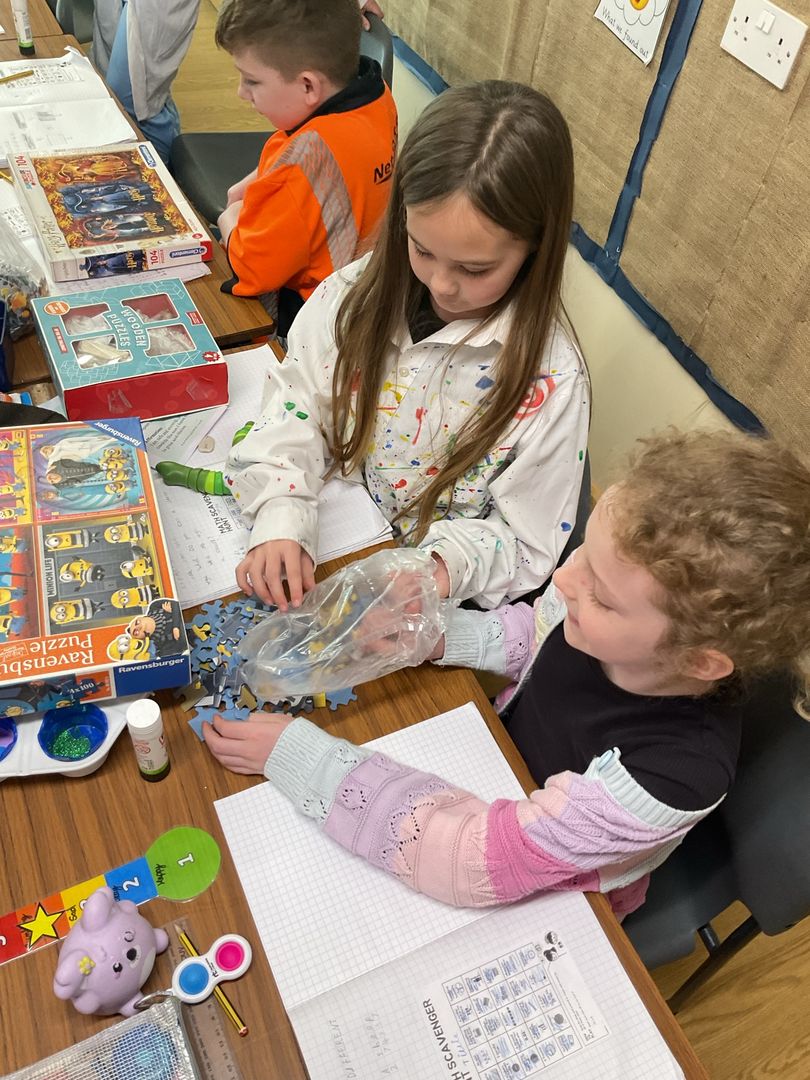
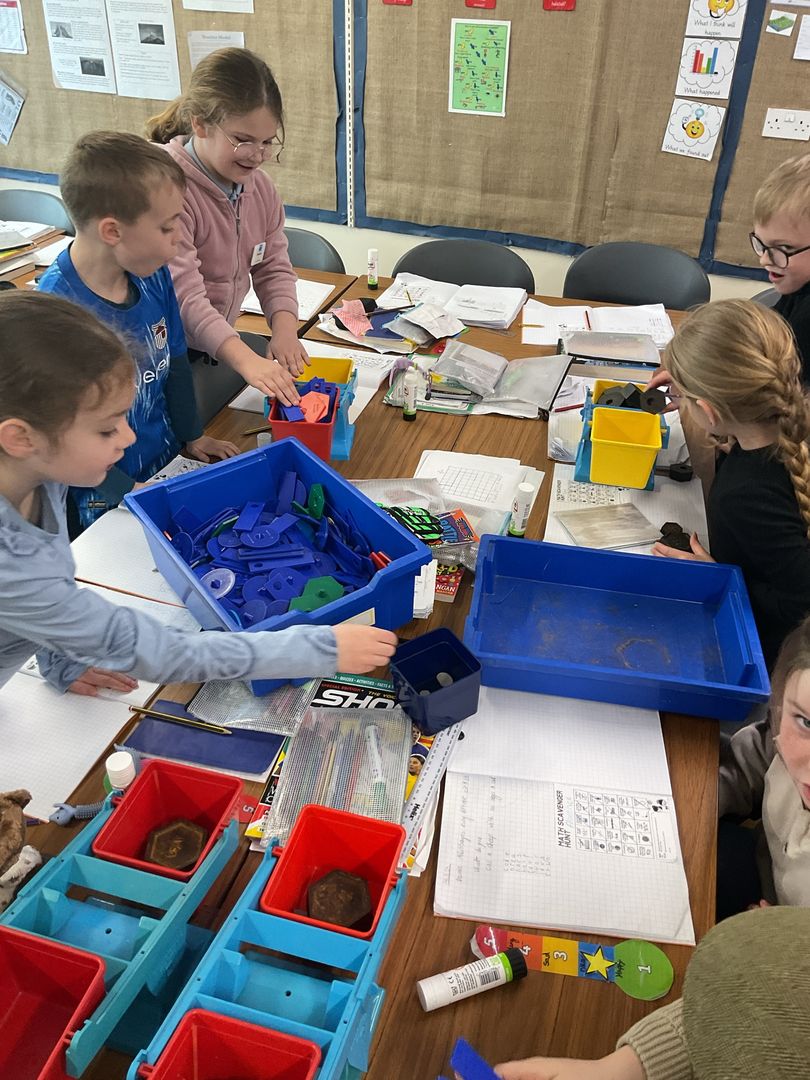
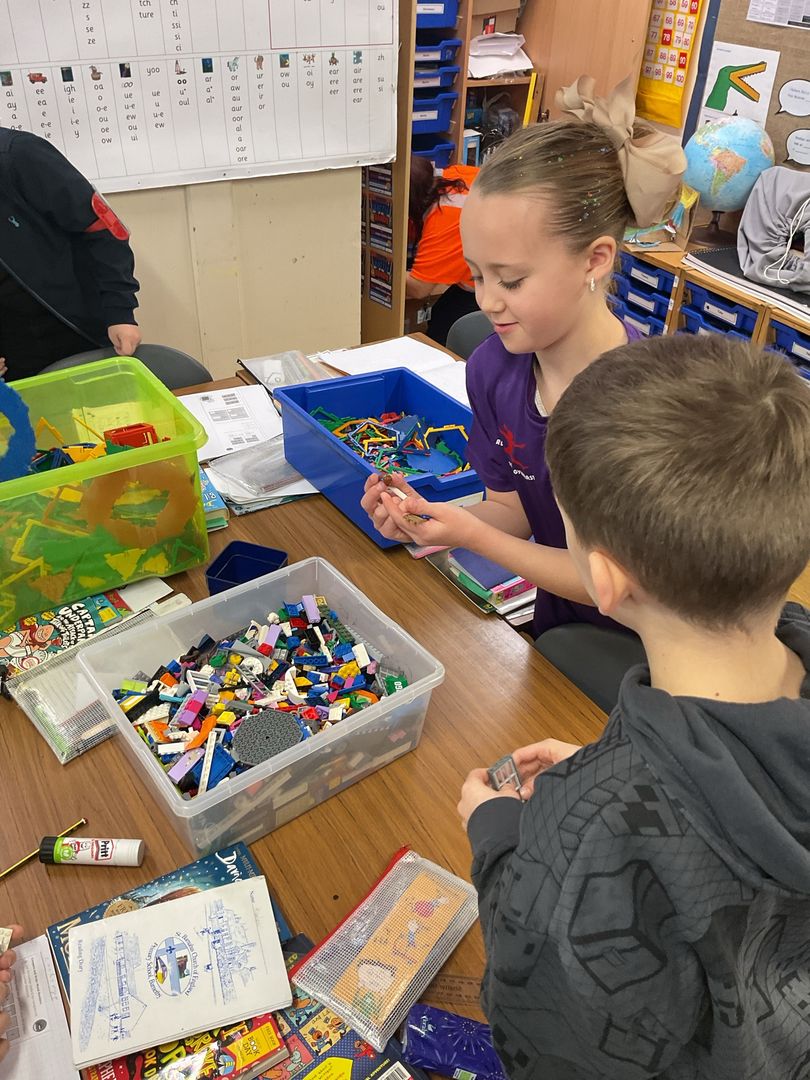
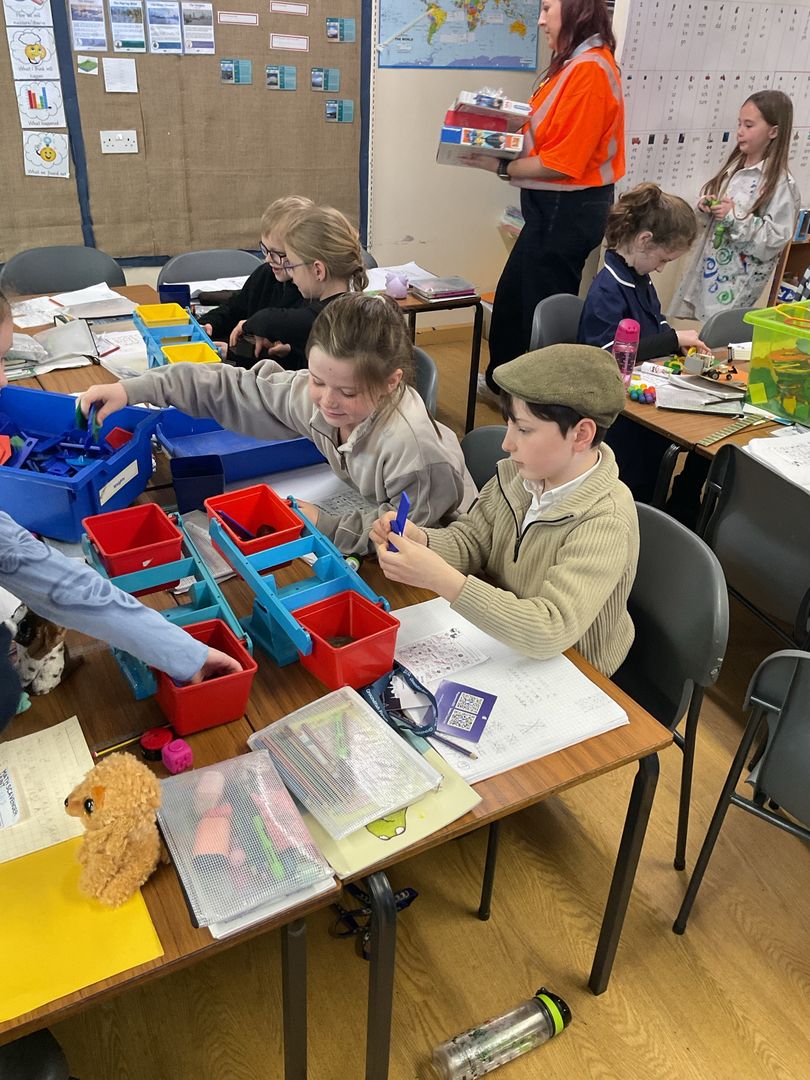
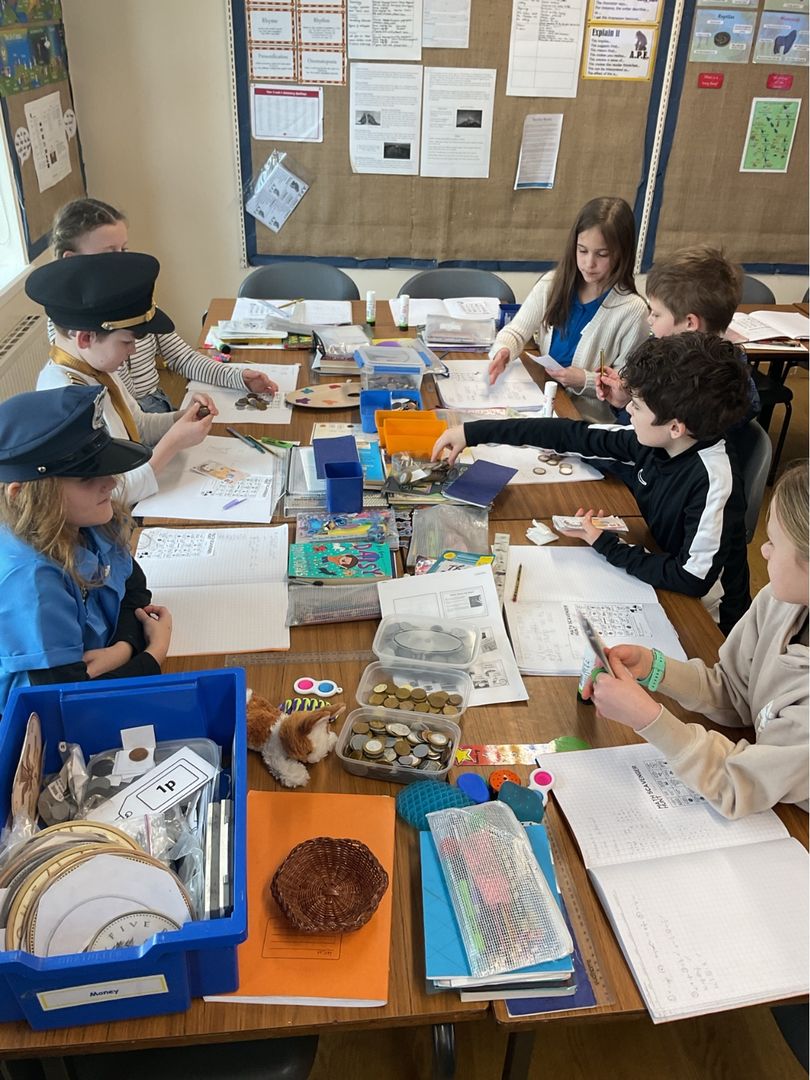
Our pupils are encouraged to physically represent mathematical concepts. Manipulatives and different representations are used to demonstrate pictorial, abstract and visual learning. Children are able to use concrete objects and manipulatives to help them understand and explain what they are doing. Pictorial – children then build on this concrete approach by using pictorial representations, which is then be used to reason and solve problems. Abstract – With the foundations firmly laid, children then move to an abstract approach using numbers and key concepts with confidence. This process provides the scaffold, that can be removed as children become secure in their learning enabling all pupils including those with SEND, EAL and Dis-advantaged to access learning and succeed at a mastery level.
Maths Documents
- Calculation Policy
- NC Progression Mixed age
- Reception Curriculum Mapping
- Curriculum Aspirations
- Subject on a Page
- Long Term Plan Mixed Ages
- Long Term plan WRM Overview
- Maths Progression
- Reception Plan Overview
Maths Long Term Plan Coverage
- LTP Mixed ages y1/2
- LTP Mixed ages y3/4
- LTP Mixed ages y5/6
- LTP WRM Overview y3/4
- LTP WRM Overview y4/5
- LTP WRM Overview y5/6
Times Tables
To support our children with learning their times tables and help our Year 4s with their multiplication check, we provide: opportunities to access TTRS (including TTRS clubs); use concrete, pictorial and abstract resources; we engage in regular chanting; watch and learn songs to help them remember times tables that they struggle with; refer back to times tables during lessons, as well as give each child support and a times tables focus.

Maths Days